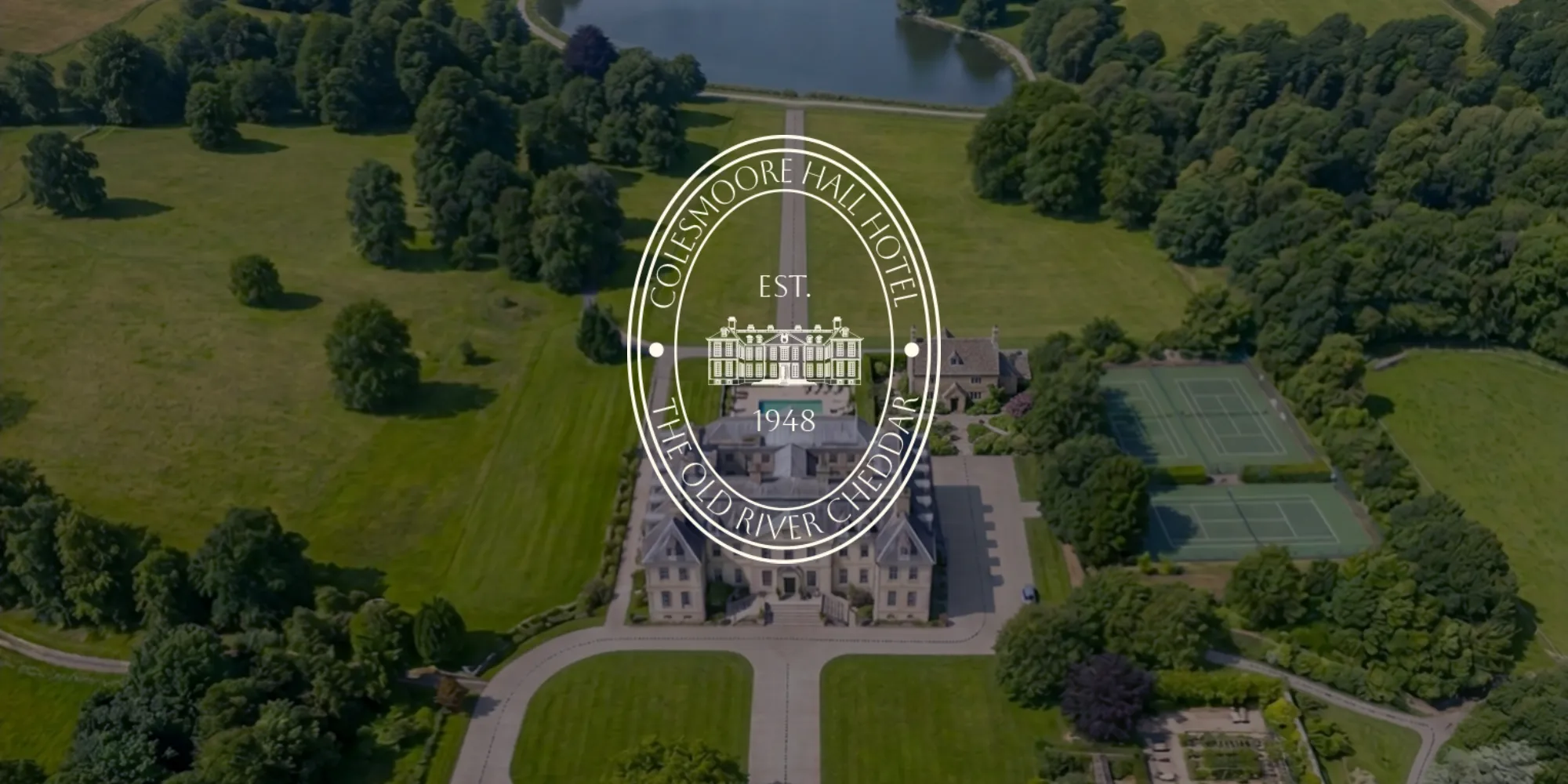
Colesmoore Hall Hotel
 Studio Concept: Colesmoore Hall Hotel
The Challenge
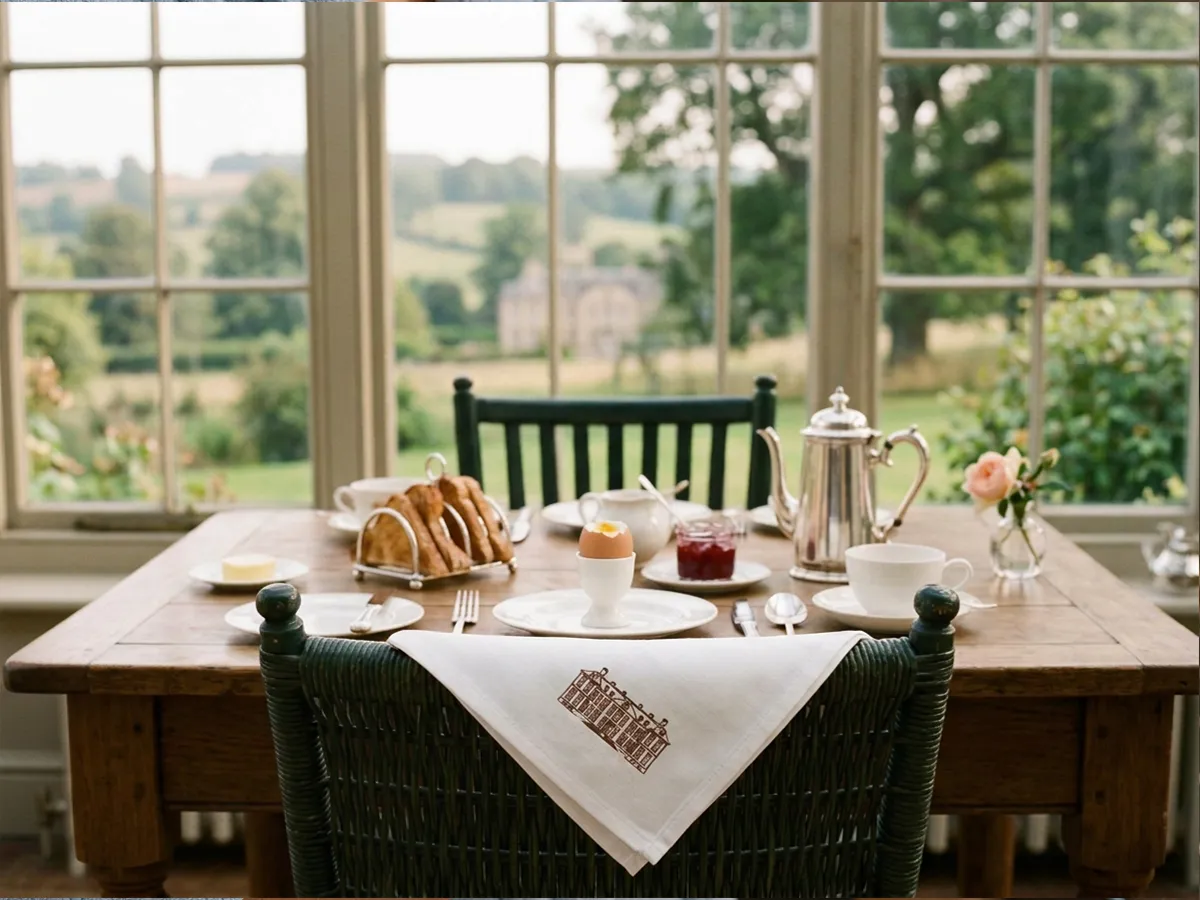
Colesmoore Hall is a studio concept: a luxury accessible country house hotel on a Somerset estate. We wanted to explore ways luxury hospitality could be enhanced by accessible design principles. Luxury hotels typically sell anticipation: every need met before it's asked. But for disabled guests, that promise often stops at a separate room, a clinical grab rail or a ramp round the back. But we believe that luxury done correctly should seamlessly extend that promise to any customer.
Pattern & Amenities

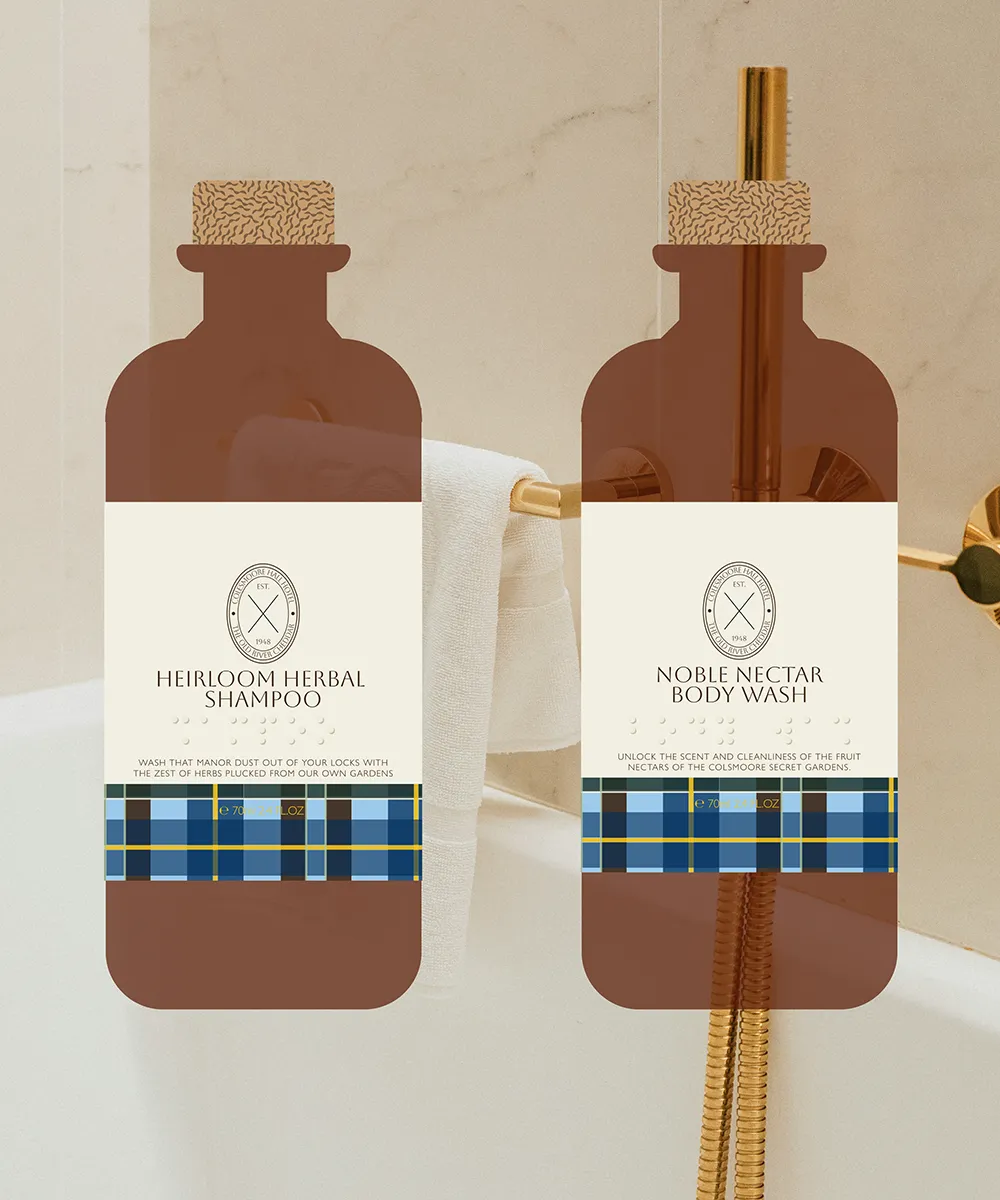

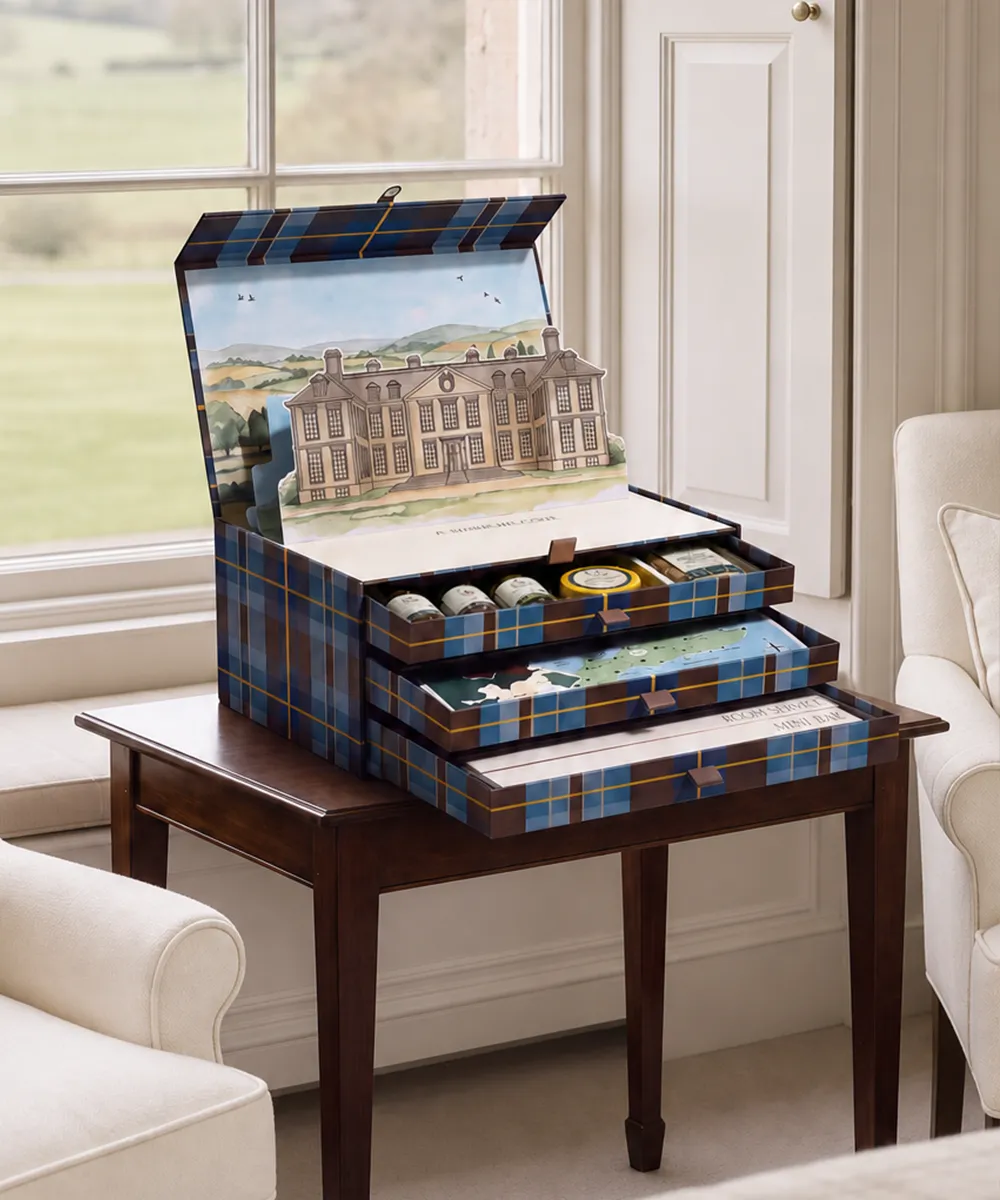
The tartan takes its colours from the estate: blues for the river, browns for the gorges, yellow for the cheese. Amenity bottles take alternative lids for grip, labelled in print and braille.
Strategy
Our Process
Accessibility and luxury service share a definition: be proactive, make people feel welcome, and anticipate needs before they're voiced. Colesmoore Hall Hotel is built on that overlap.
Guest Research
Colesmoore's guests want the countryside at full volume: walking, sailing, tennis, long breakfasts. Some use wheelchairs, some read braille, some need to rest every few hundred metres, and some will never mention a need at all. A pre-arrival questionnaire asks about scent, products, seating and access, so the room and the service are ready before the guest is. A pre-arrival questionnaire asks about sensory (scents, toiletries, seating and bedding), activity and food preferences, and any access needs, so the room and the team are ready before the guest is.
Access as Luxury Service
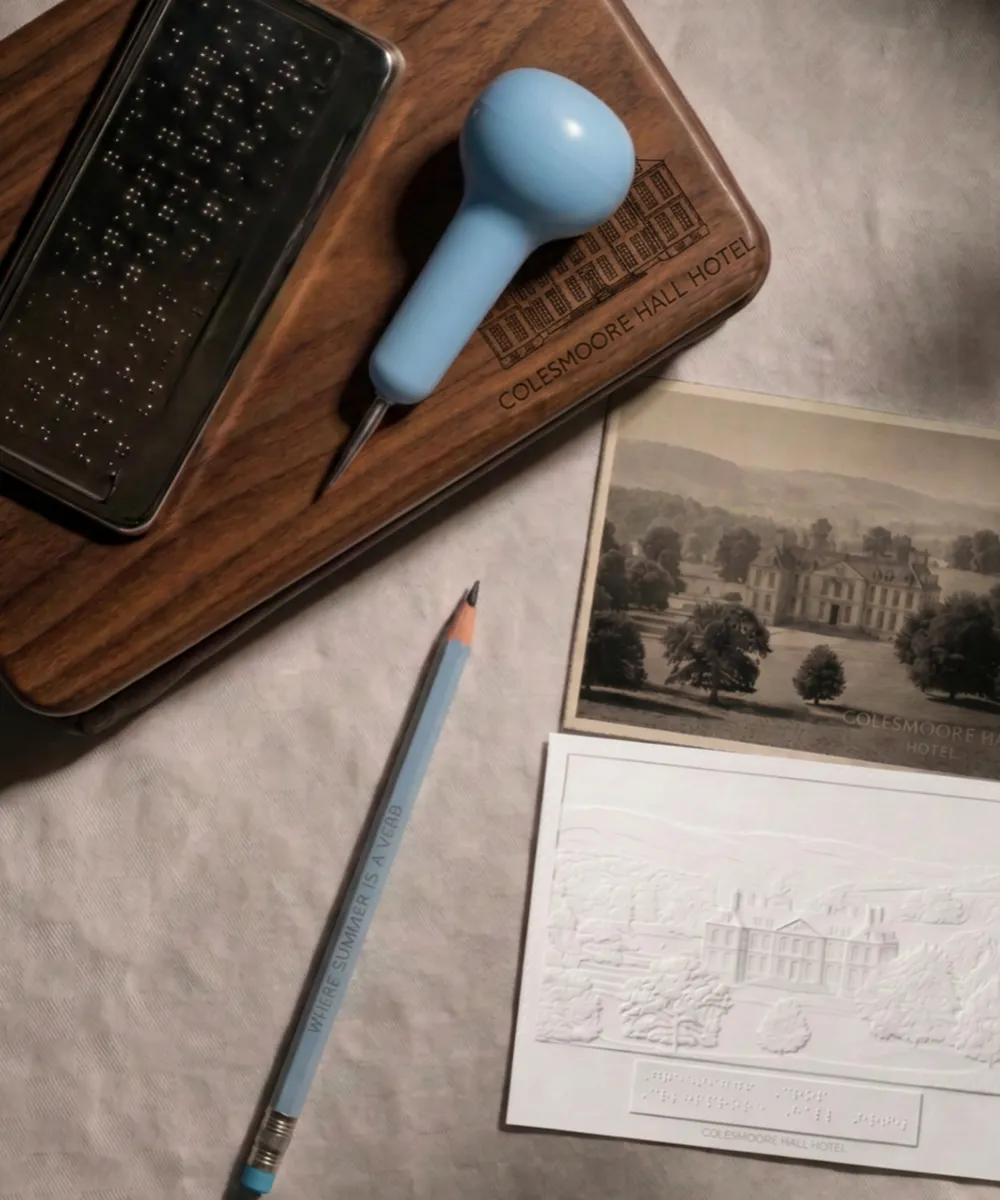
Every adaptation is designed to look like a choice, and the guest stationery shows how. Each postcard comes in two versions: a photograph of the house, and a tactile card with the same view embossed in relief and the caption in braille. The two are offered together, so every guest simply picks the one they like. The same thinking runs through the house. Mismatched chairs in the orangery let staff offer the right seat without comment, and amenity bottles take alternative lids for grip. Nothing looks clinical, so no guest is singled out.
Identity & Wayfinding
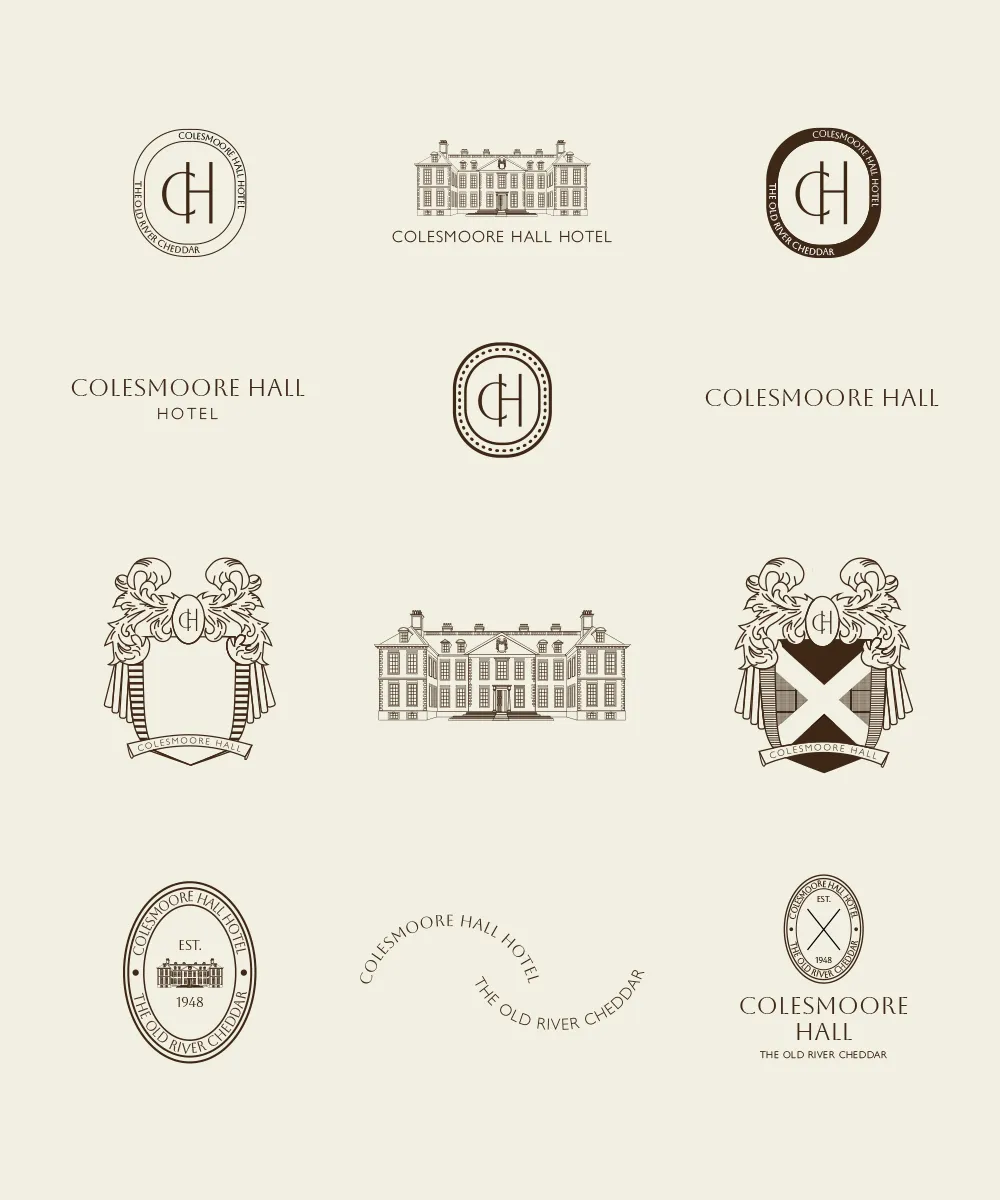
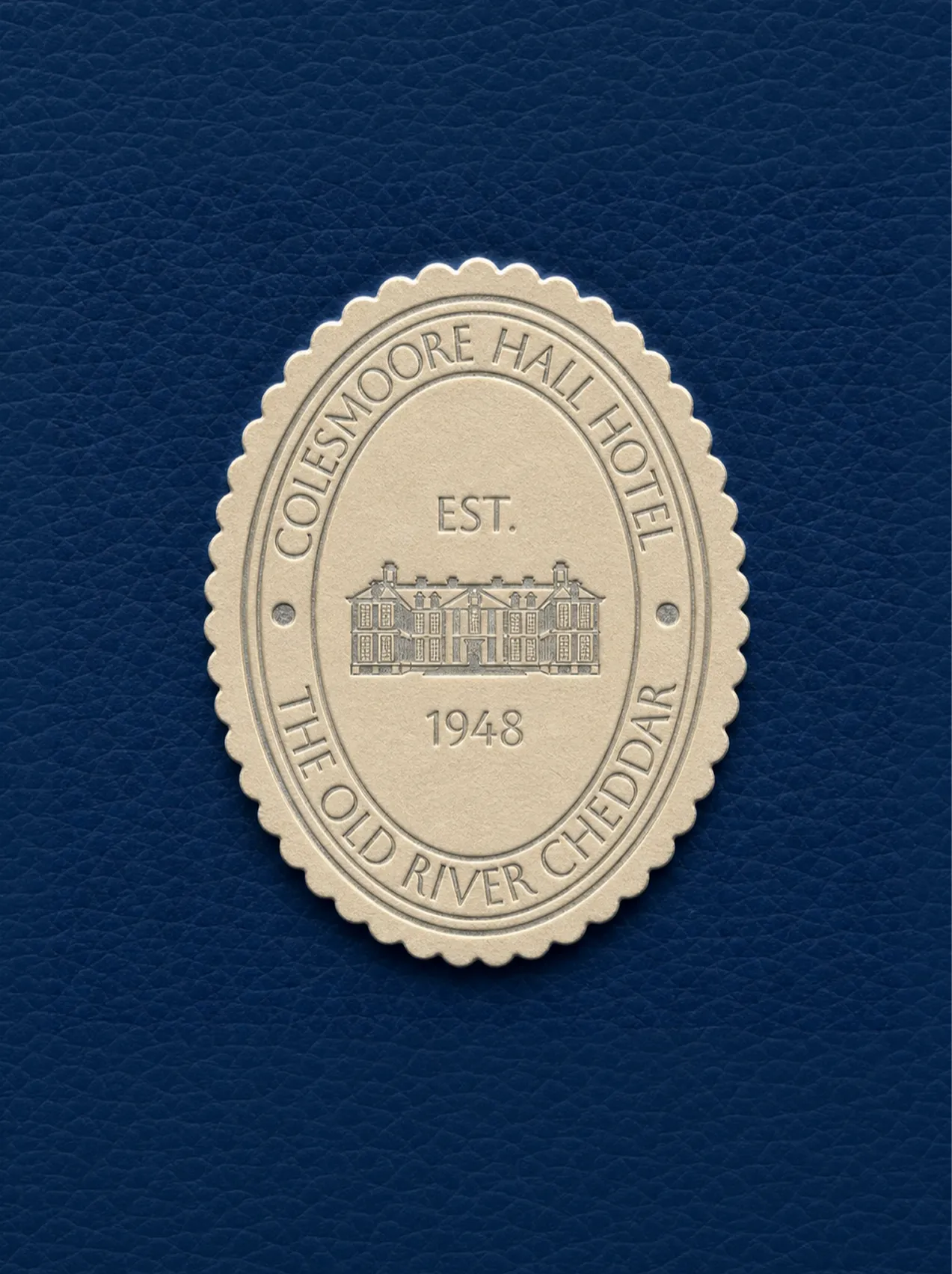
The roundel carries the estate's history: the main house, 'est. 1948' and the Old River Cheddar. A full suite sits around it, from monogram to simplified roundel, so the identity works on a menu cover, a key fob and a website alike. The tartan takes its colours from the landscape: blues for the river, browns for the gorges and caves, yellow for the cheese. Metal inlays in the paths give tactile wayfinding without spoiling the view. Brass marks the routes near the house; silver takes over further out, where it shows through leaf fall and mud and signals tougher terrain.
In-Room Experience
The welcome box is the first thing a guest opens, so it sets the tone for the rest of the stay. It's designed like an present with pop-up book style detail at the top, to try and engender a child-like feeling of wonder and whimsy. Its contents follow each guest's pre-arrival answers, so no two boxes are quite the same. Fabric pull tabs allow for adaptation by add take larger handles or grips, and the drawers lift out to change with the guest, so the same box works for everyone who opens it. After the stay, the box is theirs to keep, somewhere to preserve memories and mementos of the trip.
Estate & Activities
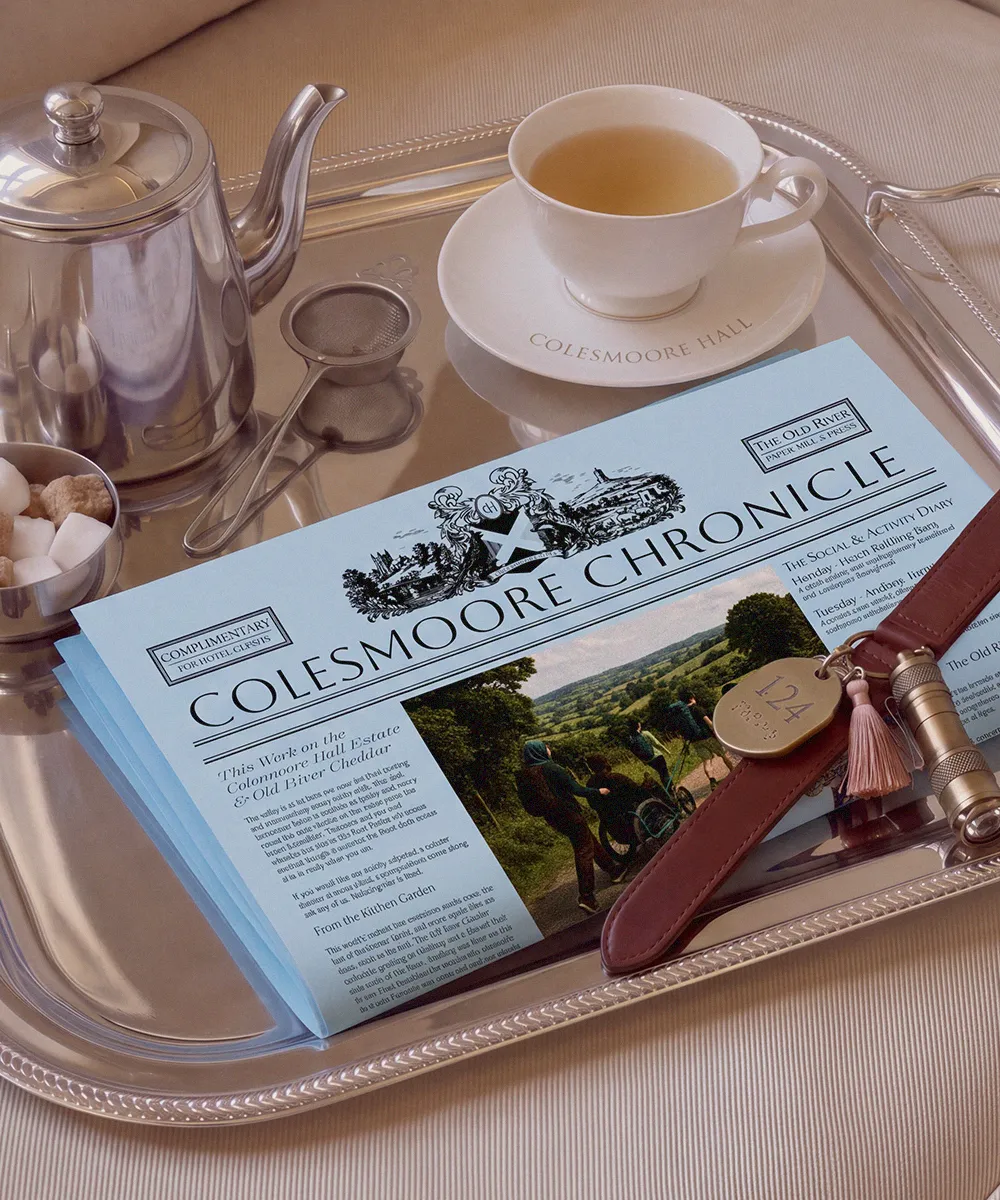
Access runs from the room key to how guests spend their days. Keys clip to a leather wrist strap, a carabiner, a lanyard or a ribbon, with the room number engraved and in braille, so the key goes wherever the guest does. Guided hikes lead groups across the estate, with branded hire kit that includes an adapted wheelchair built for rough ground. They're the cover story of the Colesmoore Chronicle, the hotel's own newspaper, so guests see from their first morning that the whole estate is open to them. In the kitchen garden, raised beds sit at a height that works from a wheelchair or a buggy, for growing and cooking sessions. On the river, an accessible dock and adapted kayaks and canoes let ambulatory wheelchair users get out on the water too.
Identity System

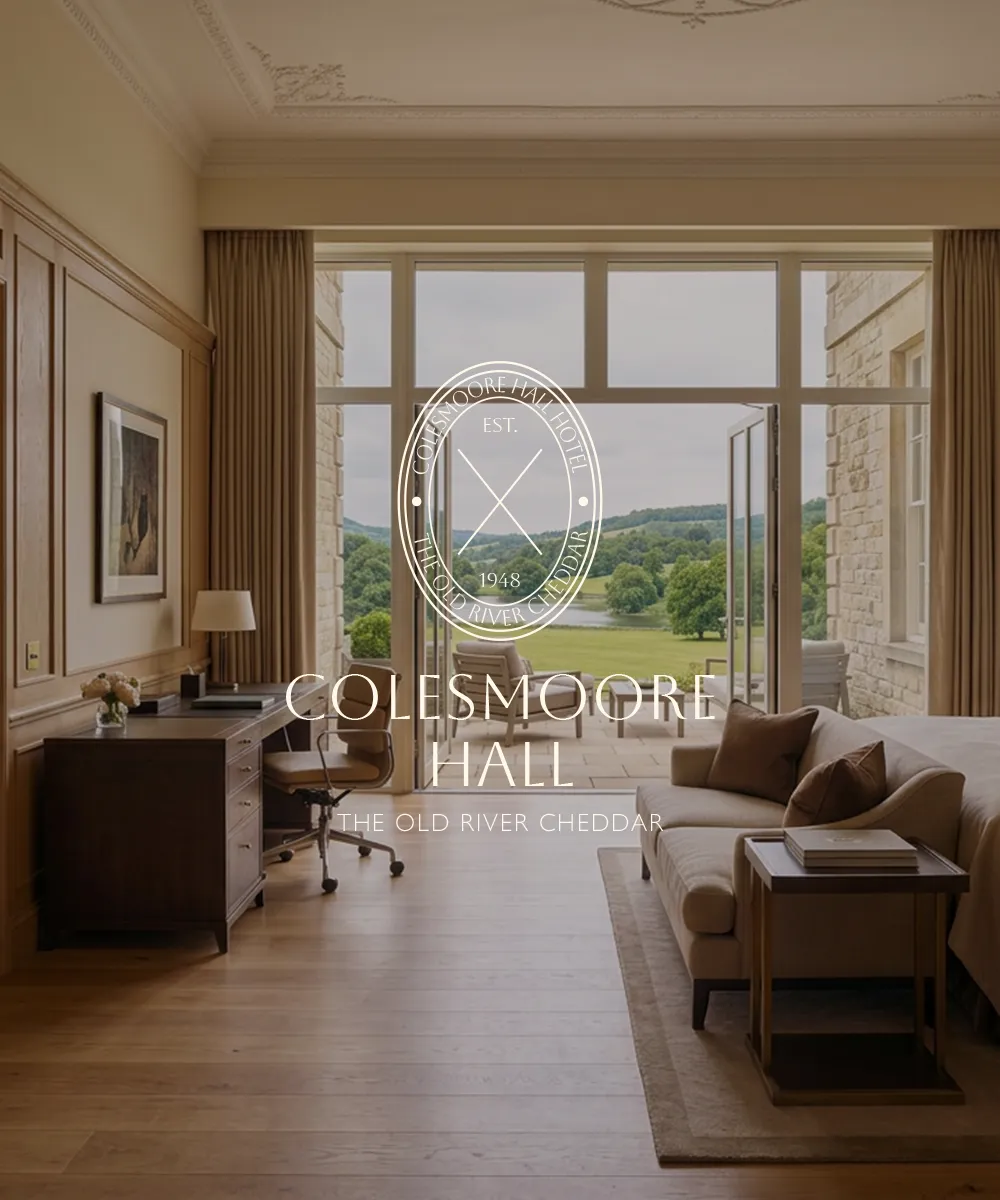
The roundel carries the estate’s history, with a full suite from monogram to simplified mark. It reads as clearly on a key fob as on a menu cover.
Rooms
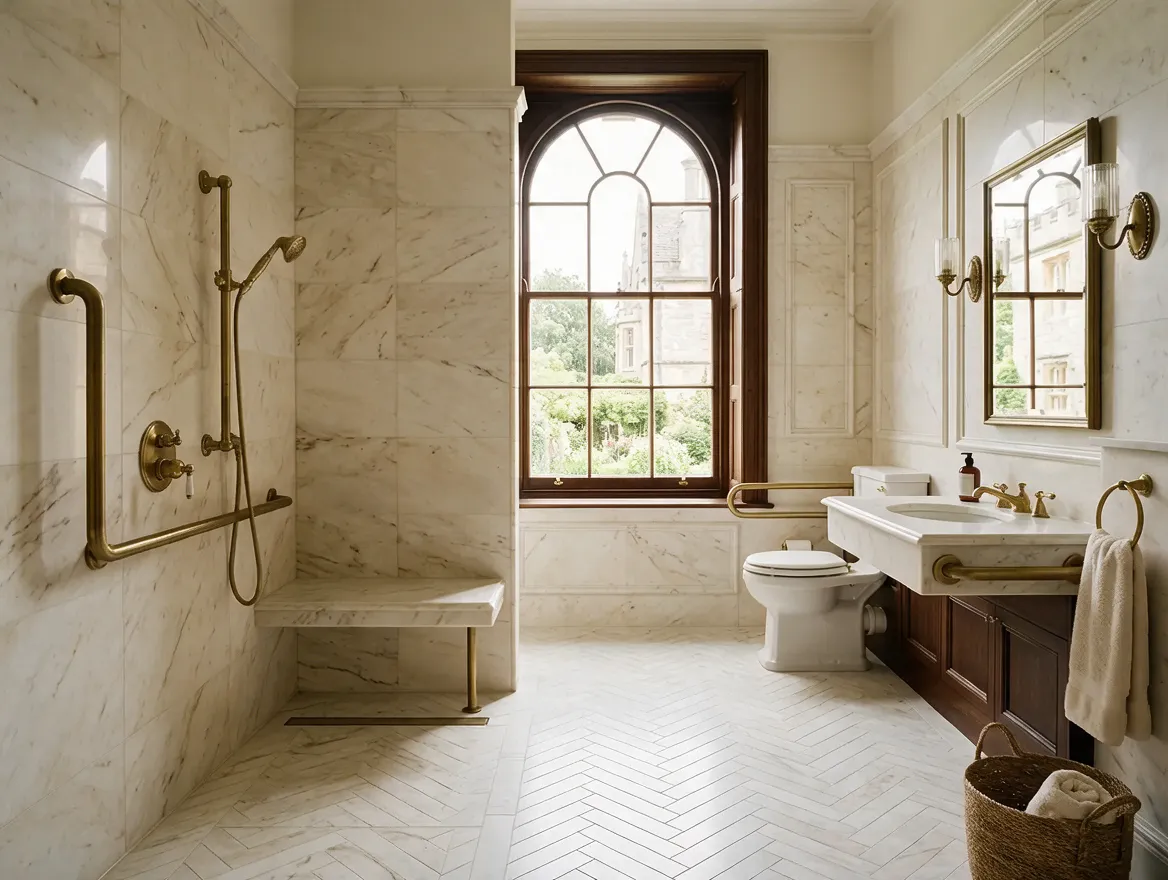
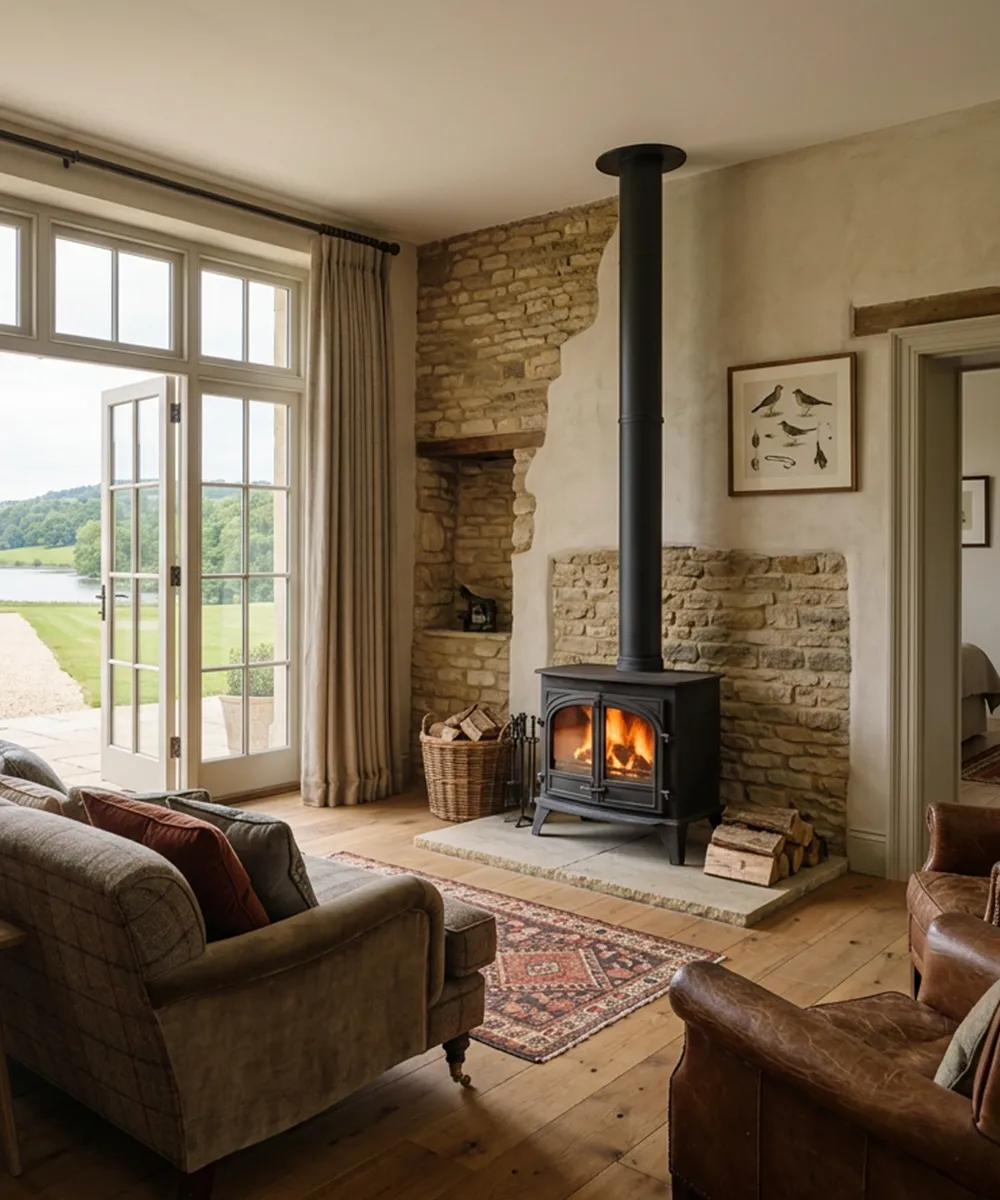
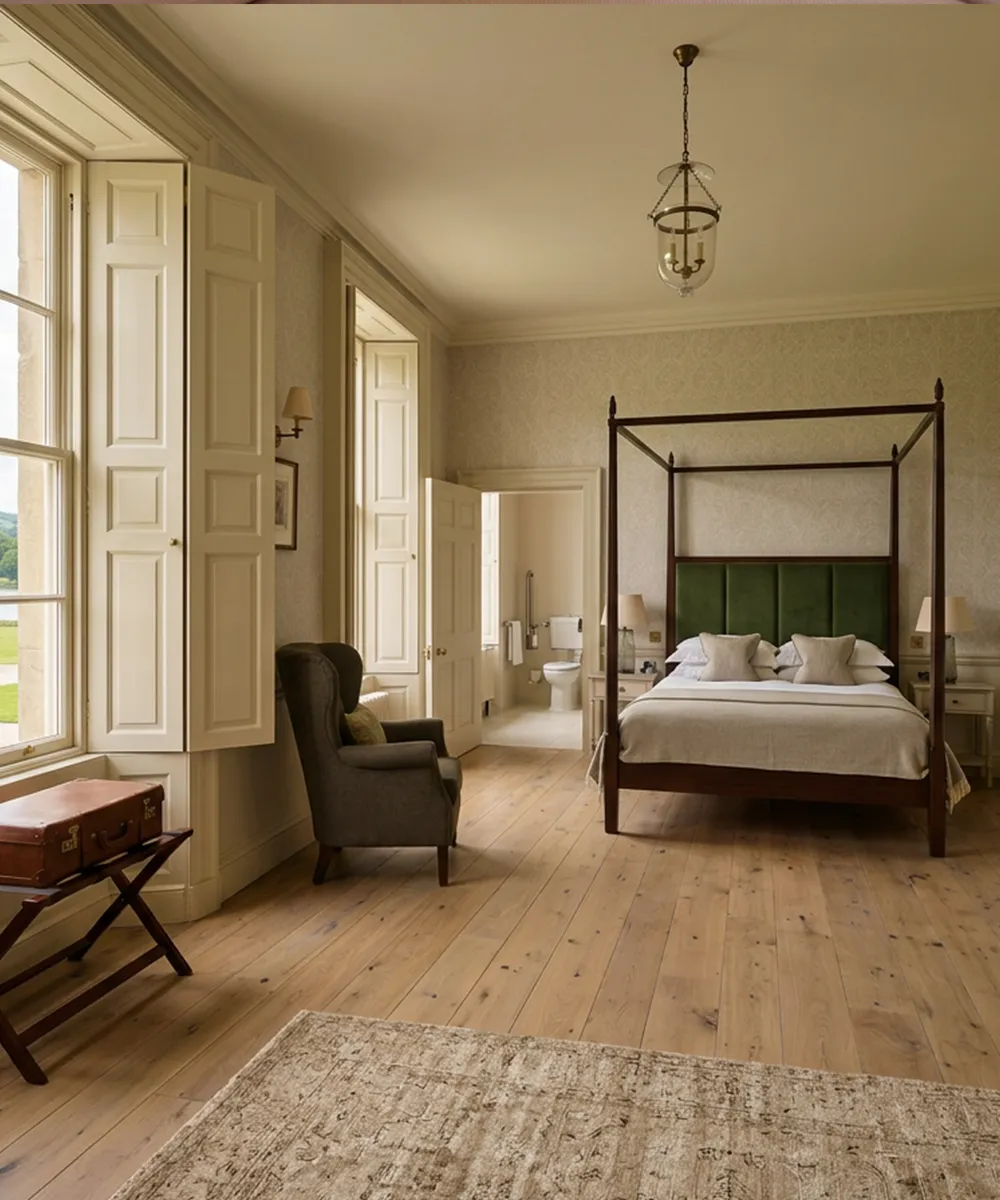
Each room is prepared from the pre-arrival questionnaire, so scent, products and seating are ready before the guest arrives.
Spa
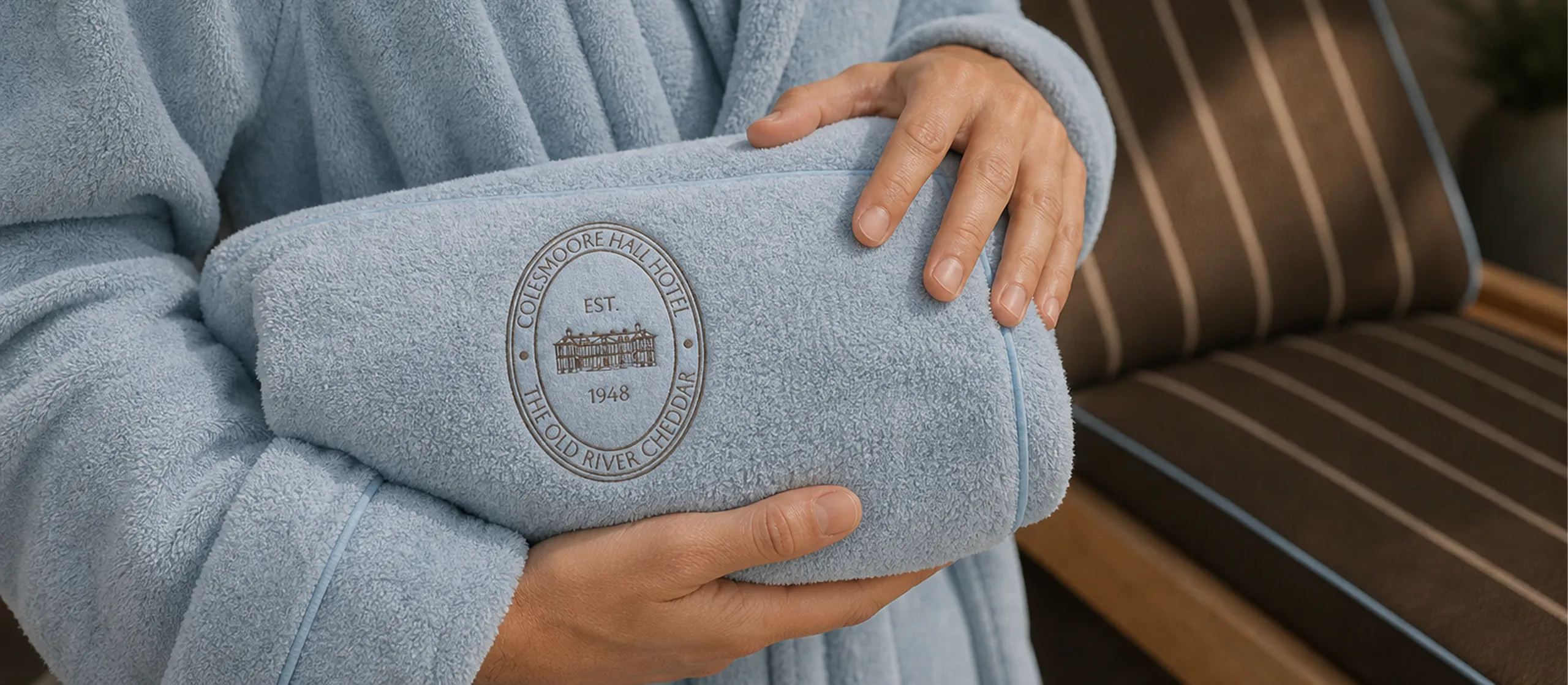
The spa follows the same rule as the rest of the house. Needs are anticipated quietly, as part of the service.
Stationery

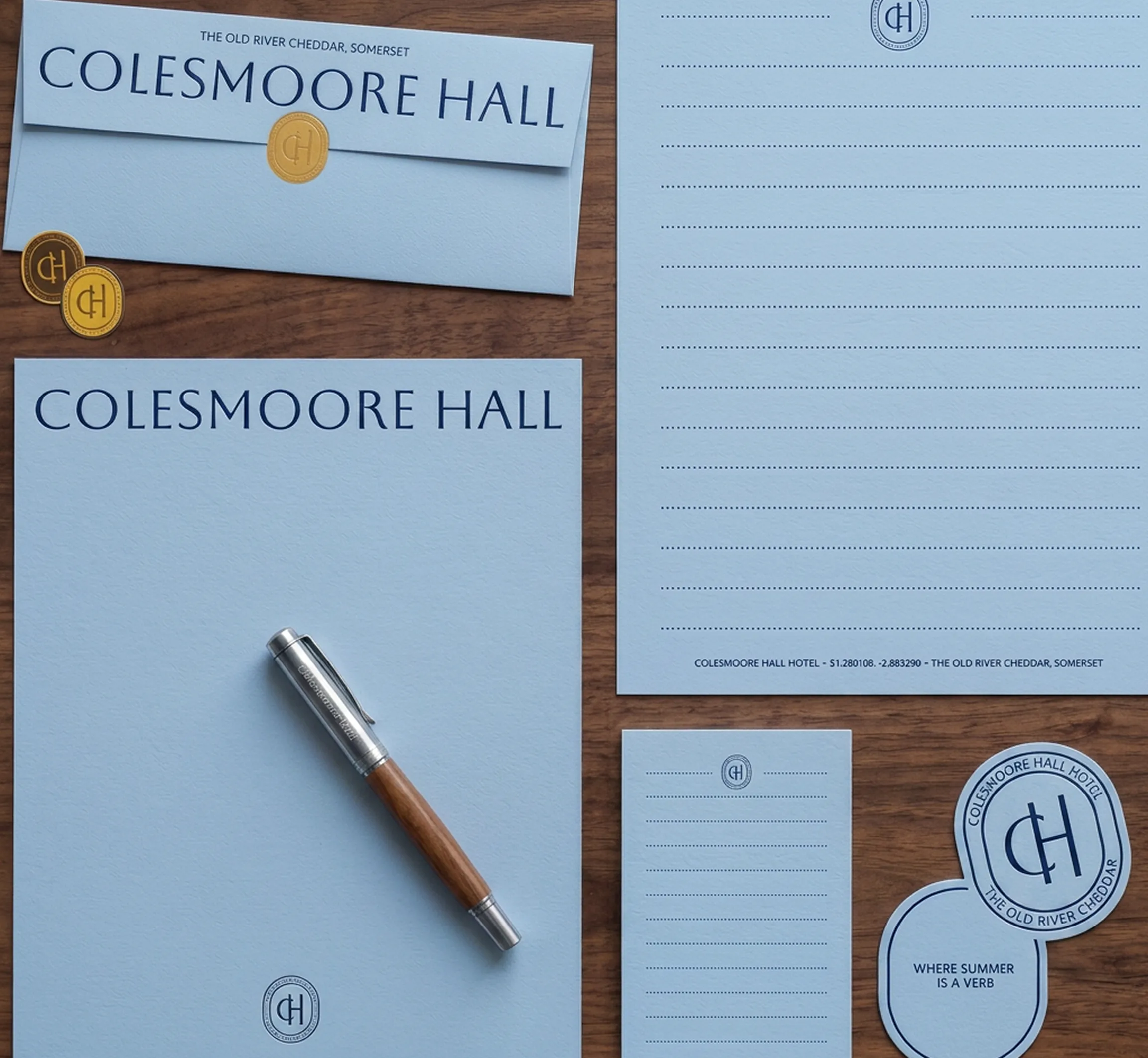
Stationery carries the heritage identity, with embossed details that can be read by touch.
The Estate
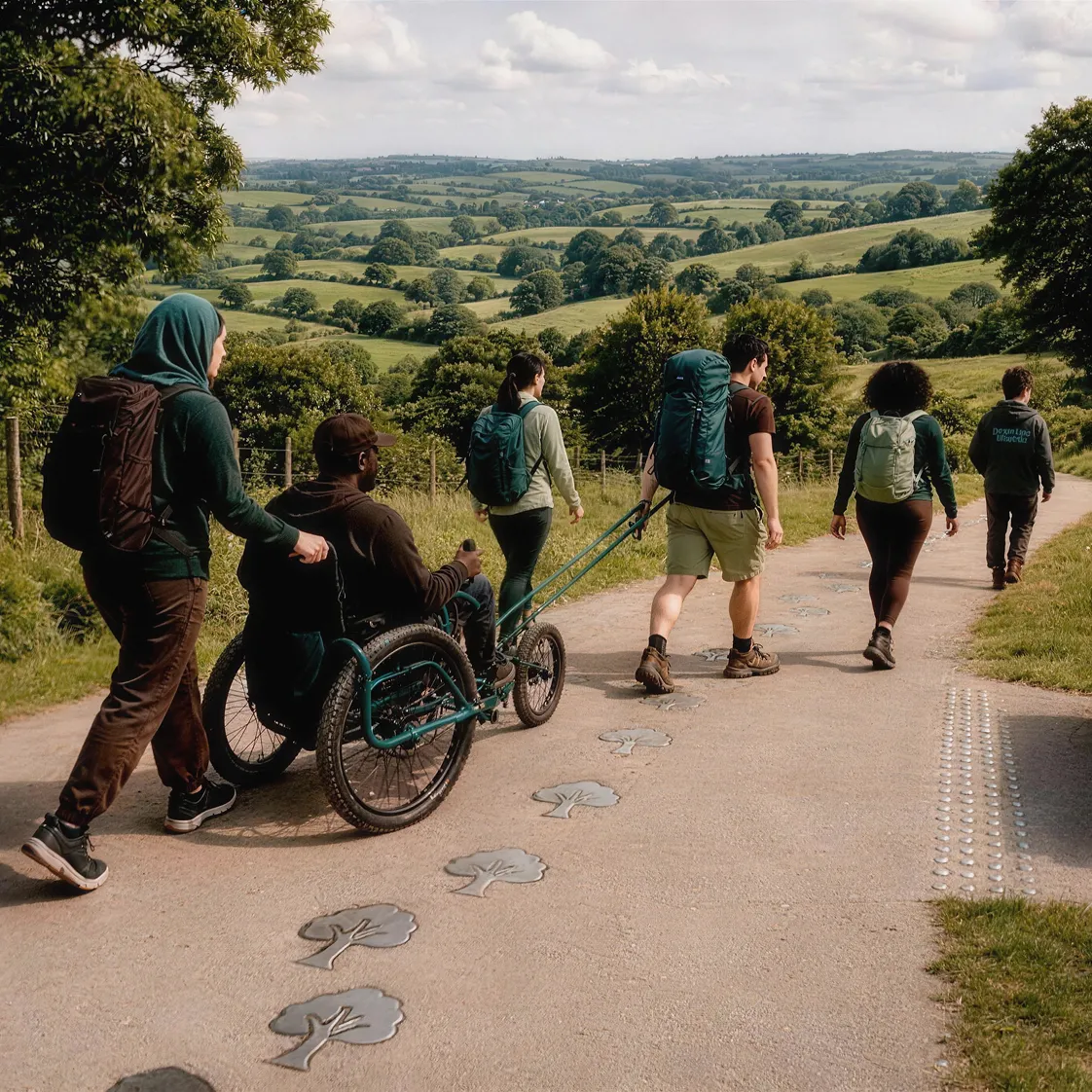
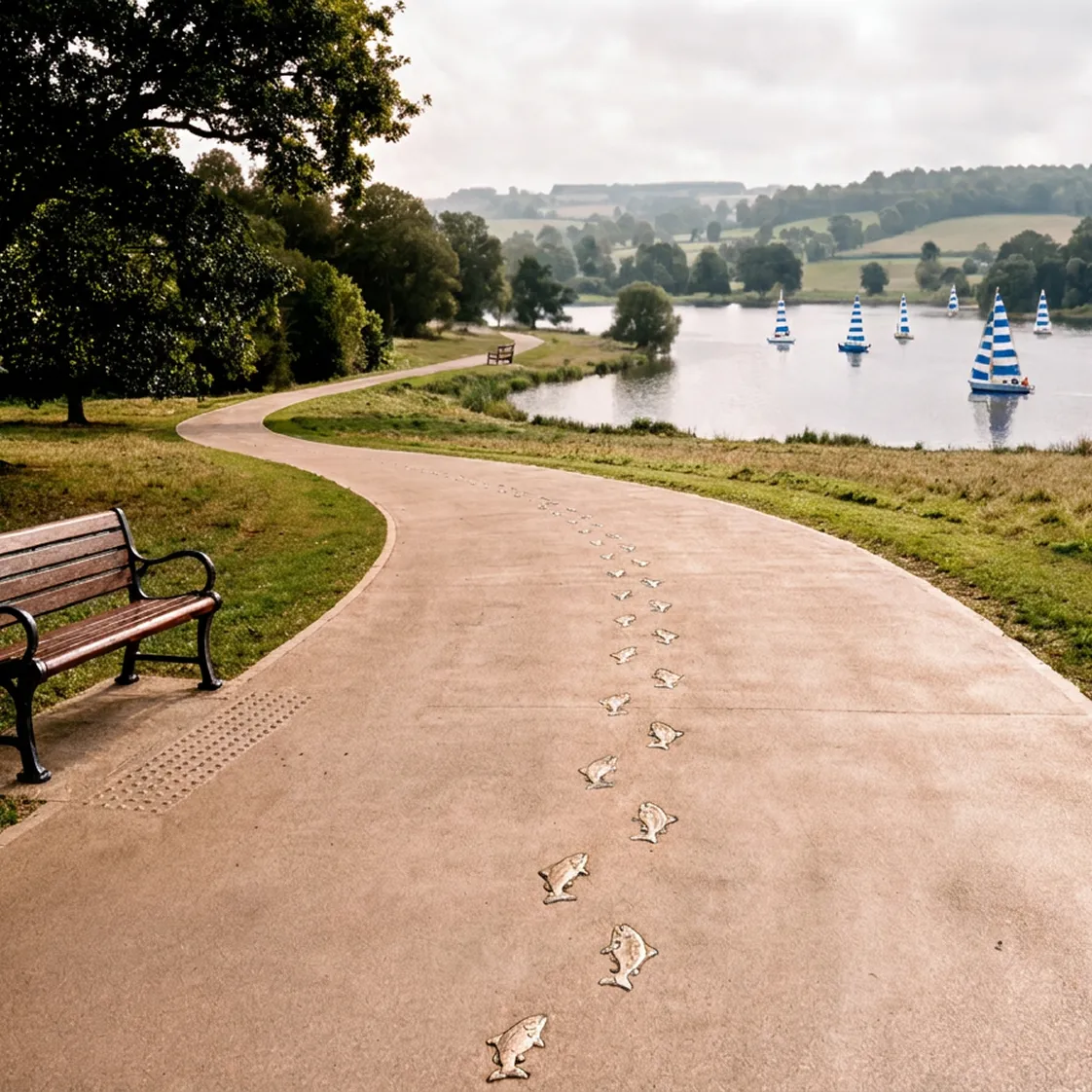
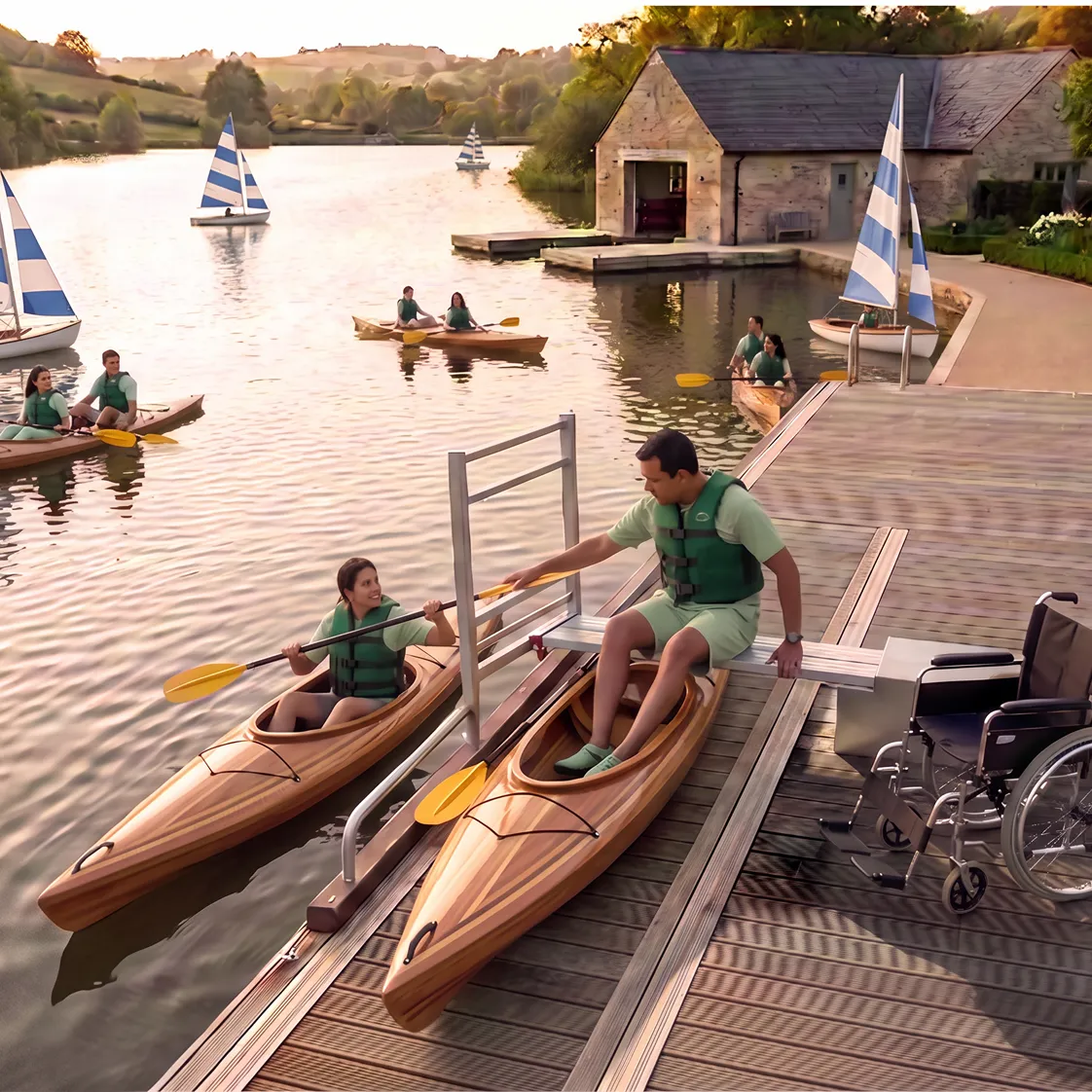
Metal inlays in the paths give tactile wayfinding without spoiling the view. Brass marks the routes near the house; silver takes over where the terrain gets tougher.
Impact
Luxury that anticipates every guest
Luxury hotels promise to anticipate every need. For disabled guests, that promise often ends at a separate room, a clinical grab rail or a ramp round the back.
Colesmoore, a country house hotel that began life as a wartime rehabilitation hospital, needed a brand where anticipating access needs is part of the luxury. No guest should have to ask twice.
A pre-arrival questionnaire readies each room before the guest arrives. Every adaptation is designed to look like a choice: mismatched chairs in the orangery, amenity bottles with interchangeable lids and braille labels, and room keys that clip on four ways. Brass and silver inlays turn the estate paths into tactile routes, and a patch shows guests which staff use sign language. A heritage identity, built from the roundel and a tartan drawn from the landscape, ties it all together, from key fob to website.
Colesmoore is a concept, built to show what accessibility-first luxury could look like. It has already done real work for the studio: the logo suite has brought in new clients through Pinterest. If your hotel, venue or brand sells anticipation, this is the work we do.

Website
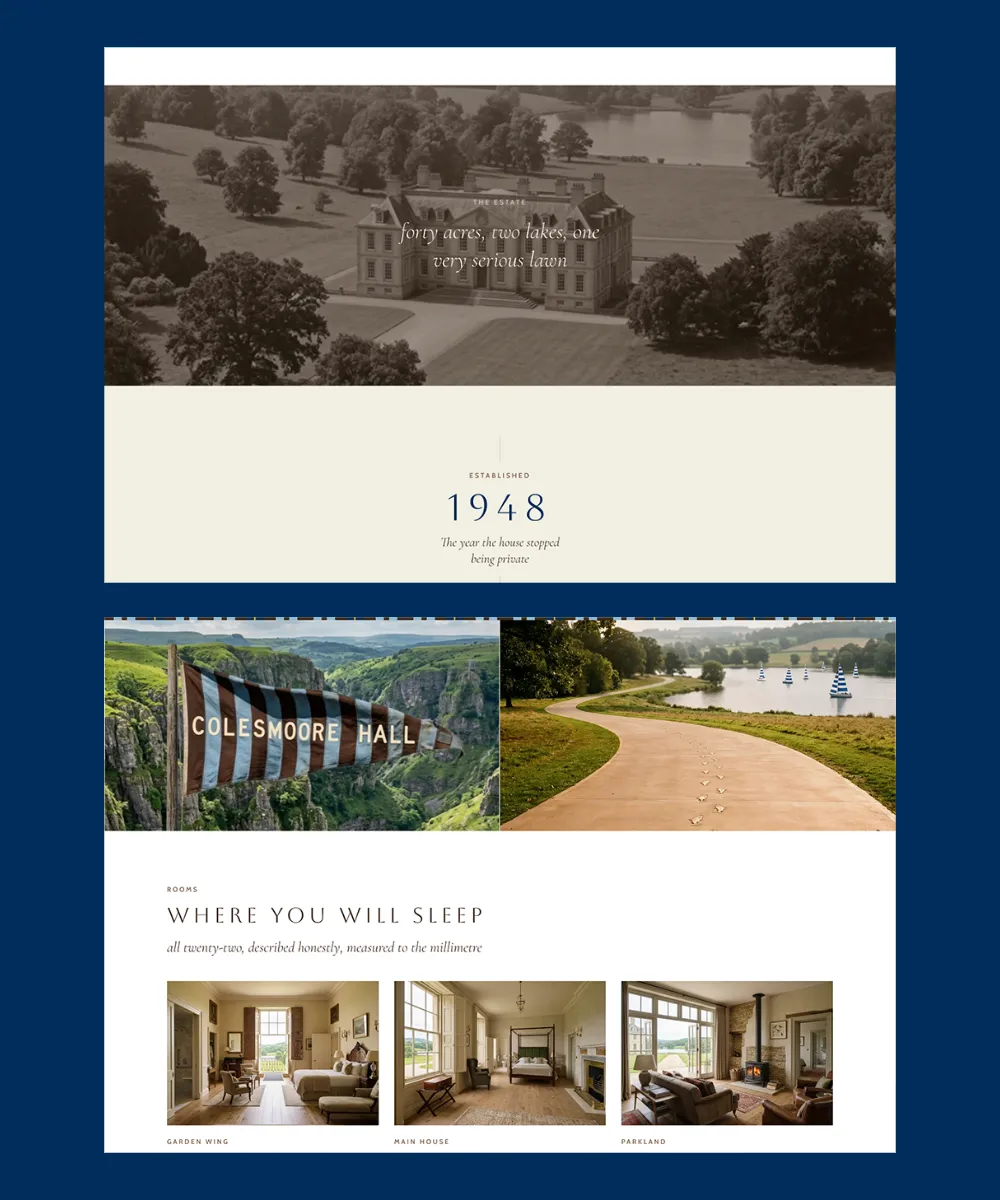

The website asks the same questions as the questionnaire, so access needs are handled long before the front desk.
Staff & Uniforms
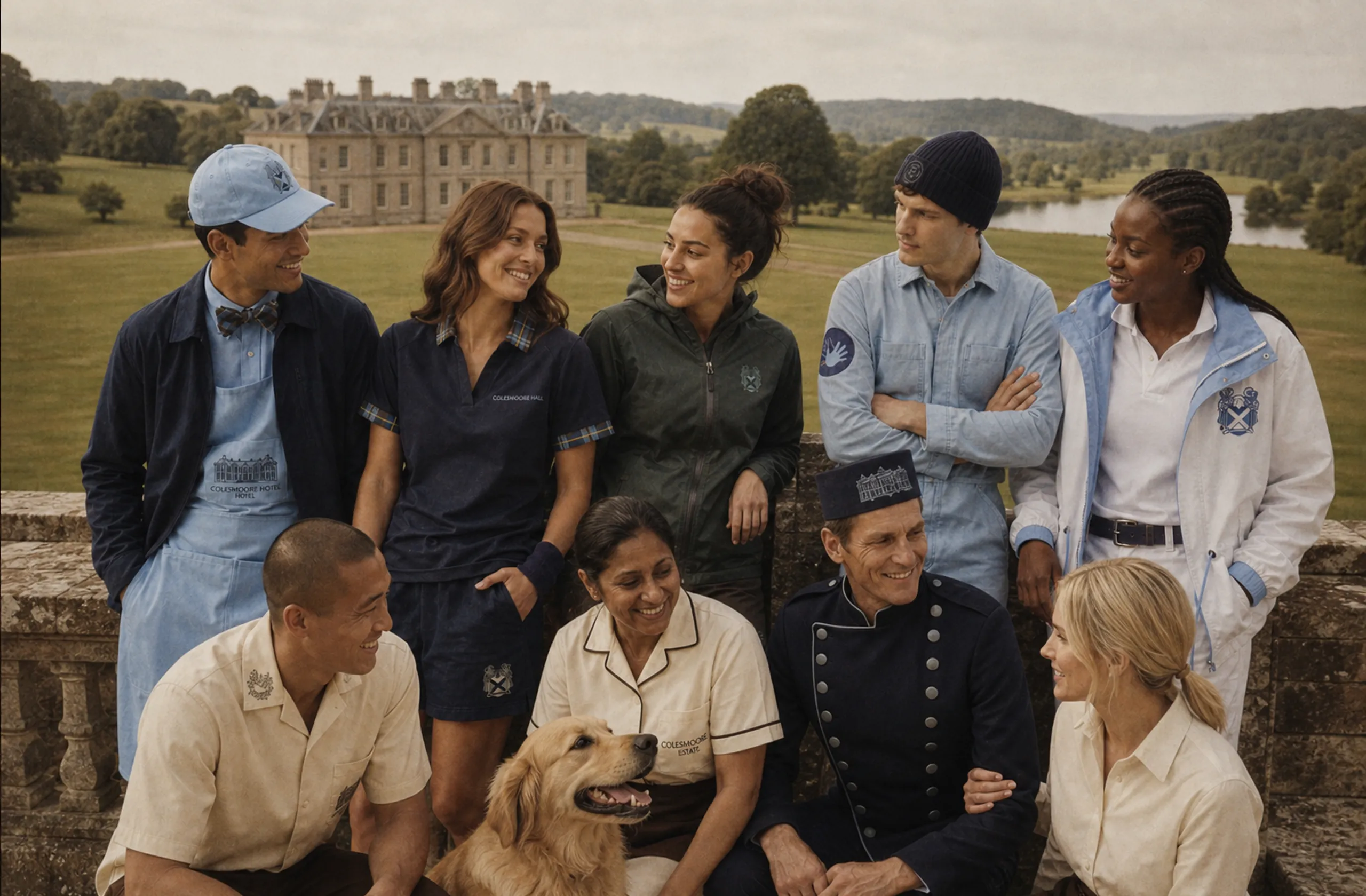
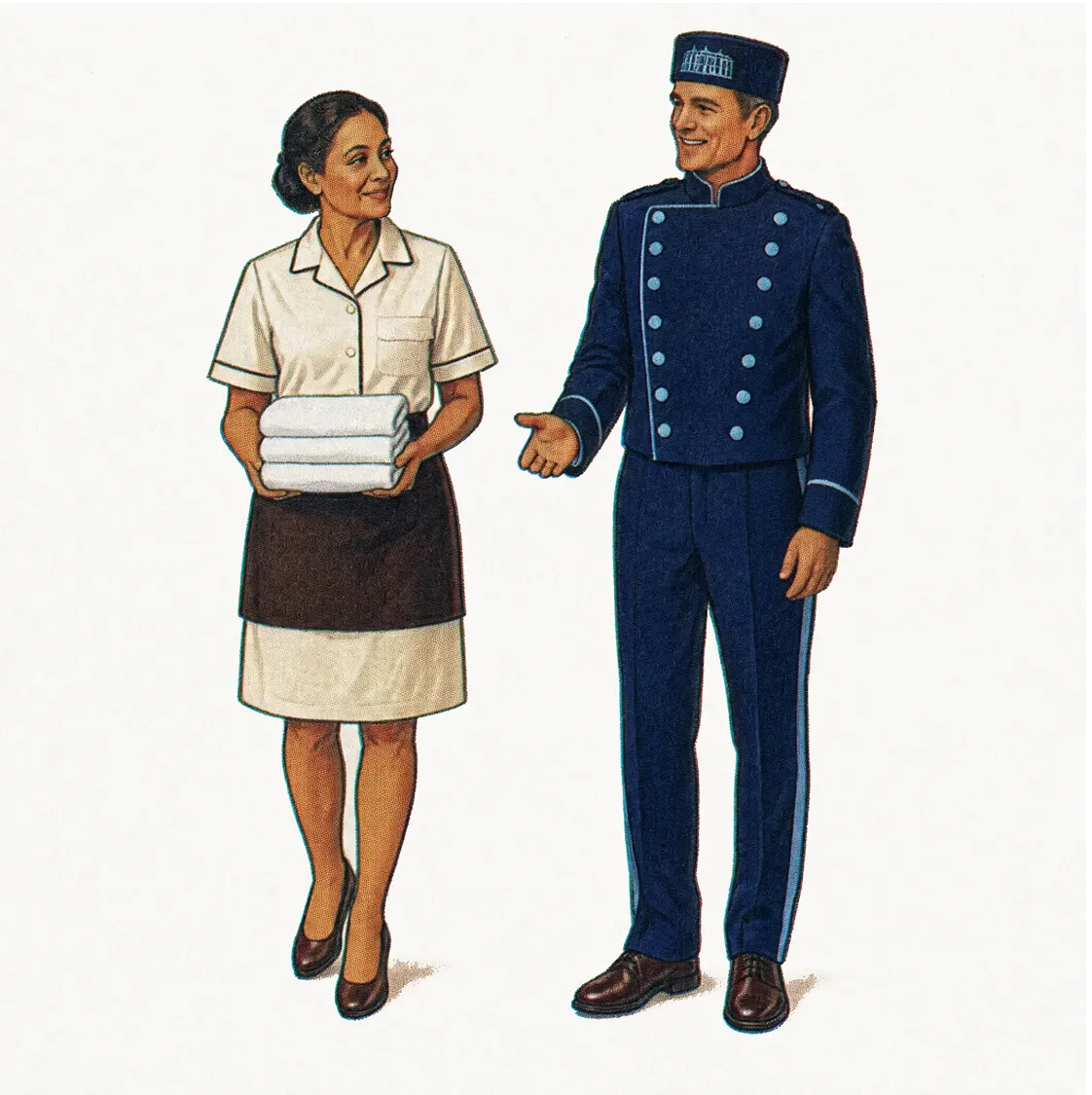
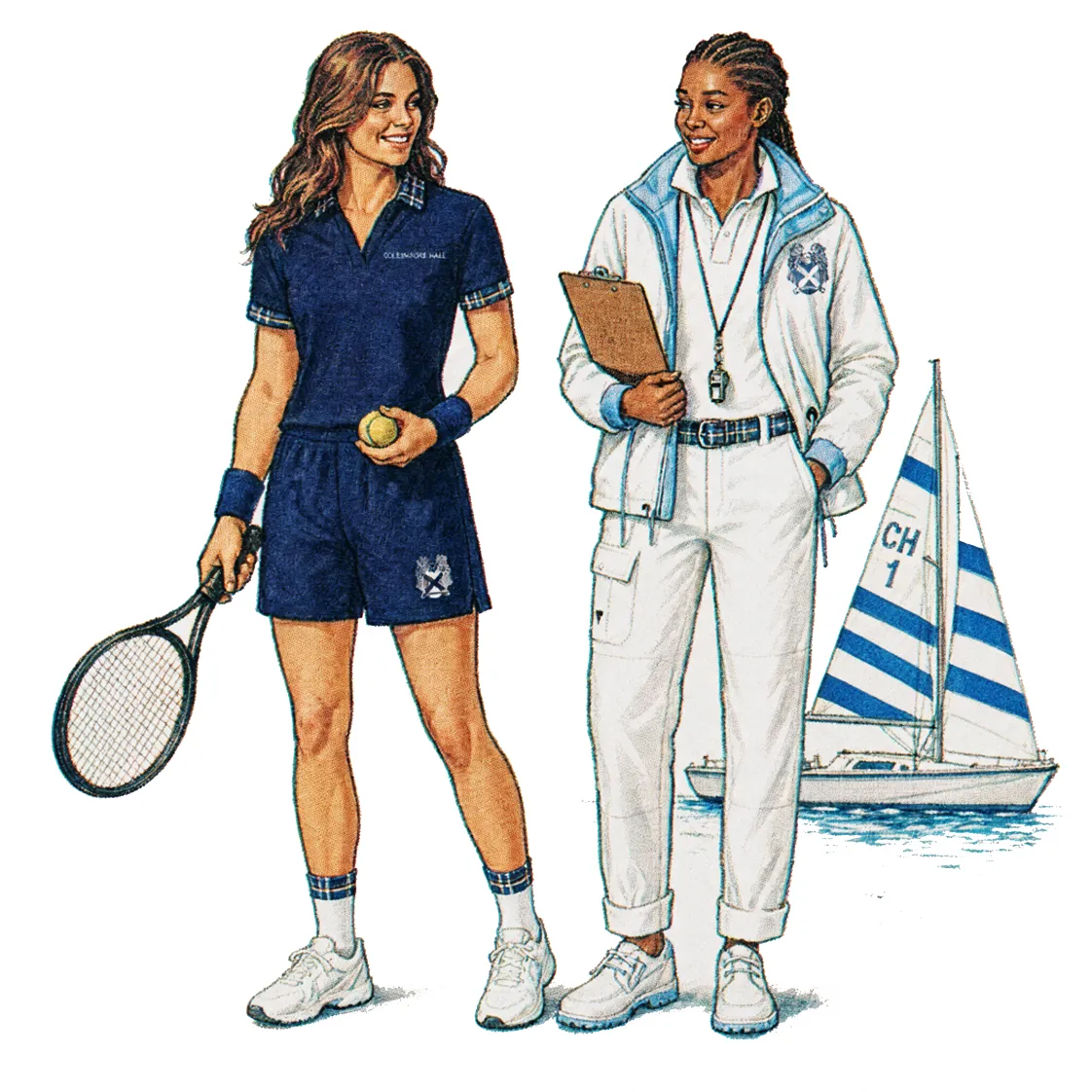
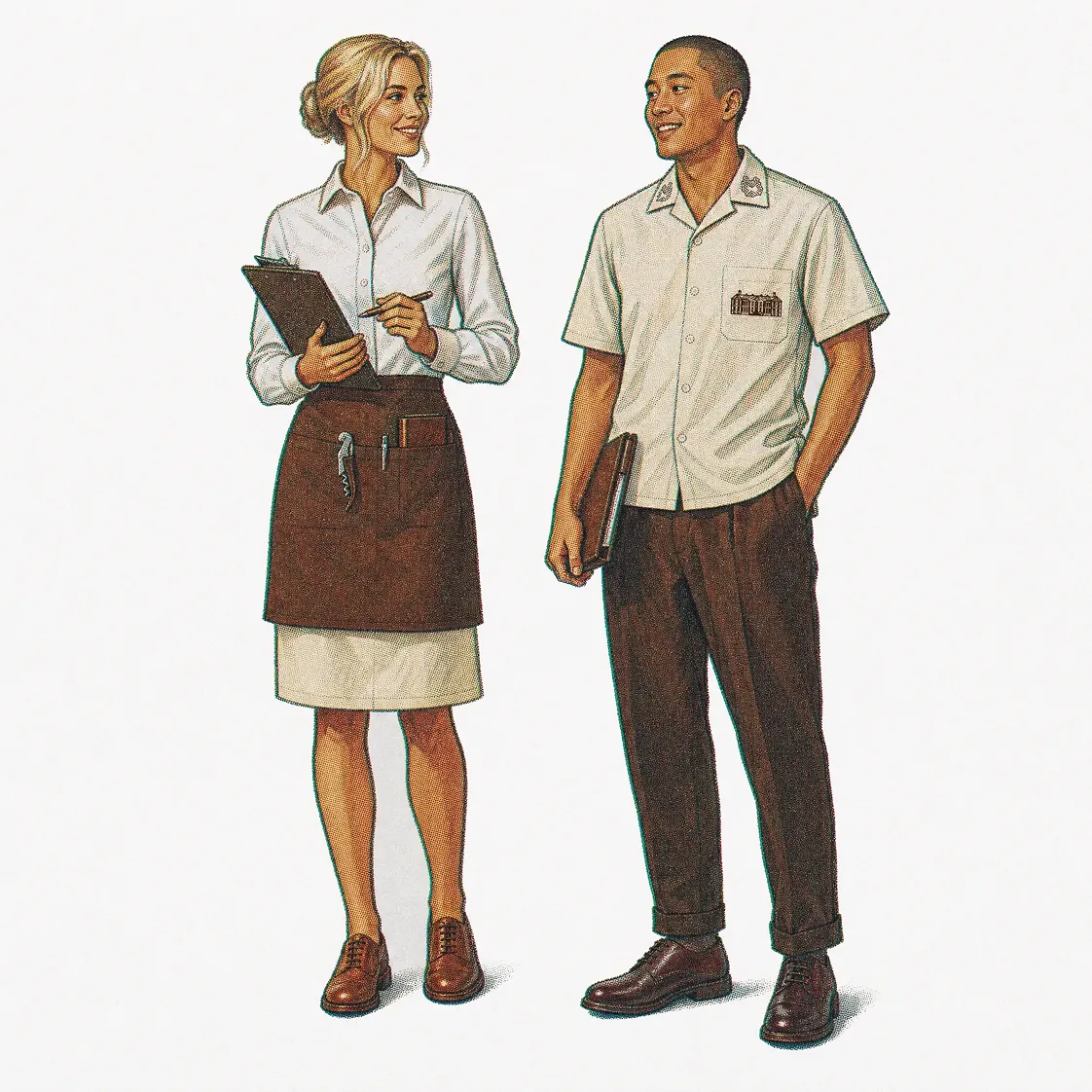
A patch shows guests which staff use sign language, so they know straight away who to approach.
Dining
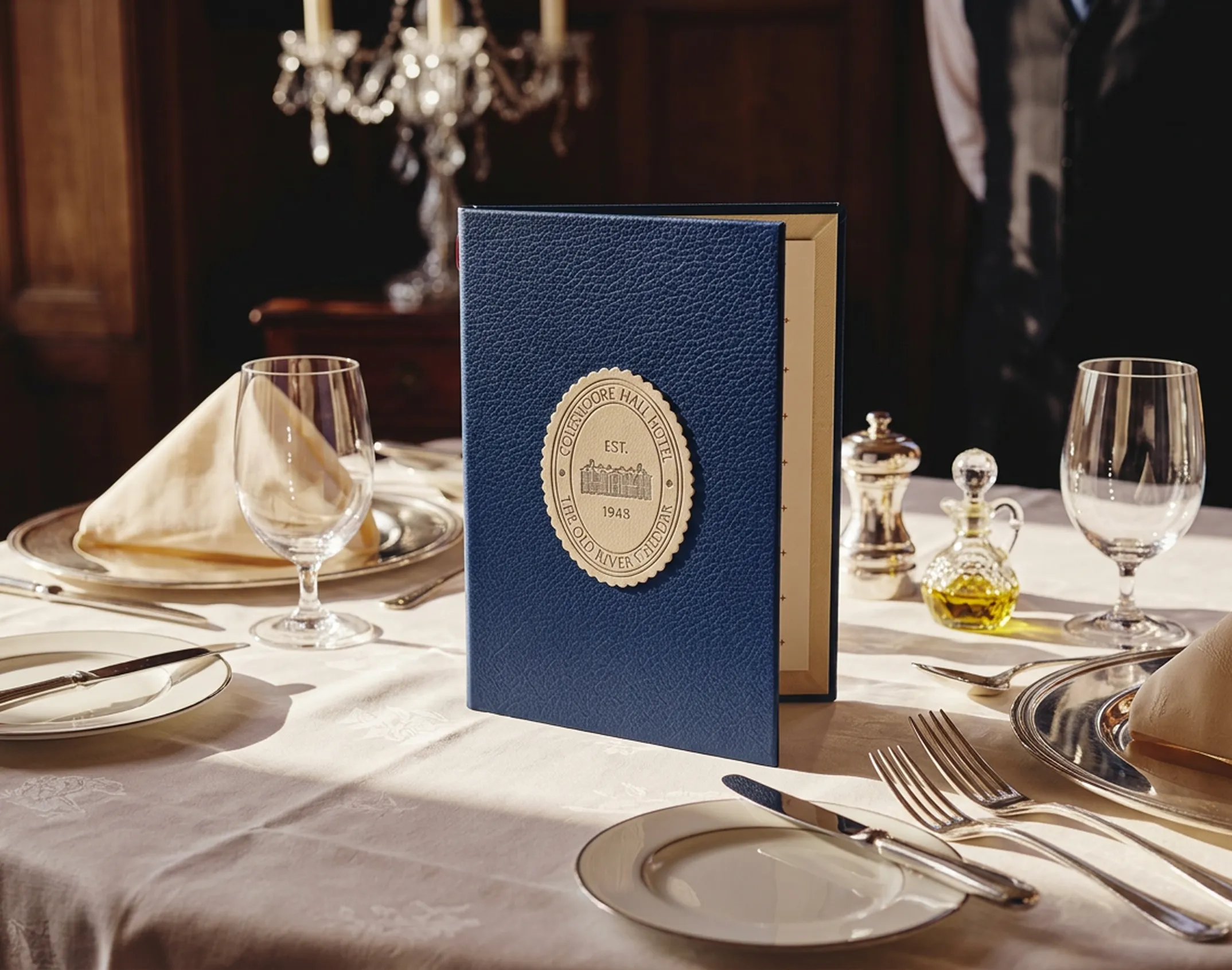
Mismatched chairs in the orangery let staff offer the right seat without comment. It looks like a styling choice, and it is one.
In-Room Amenities
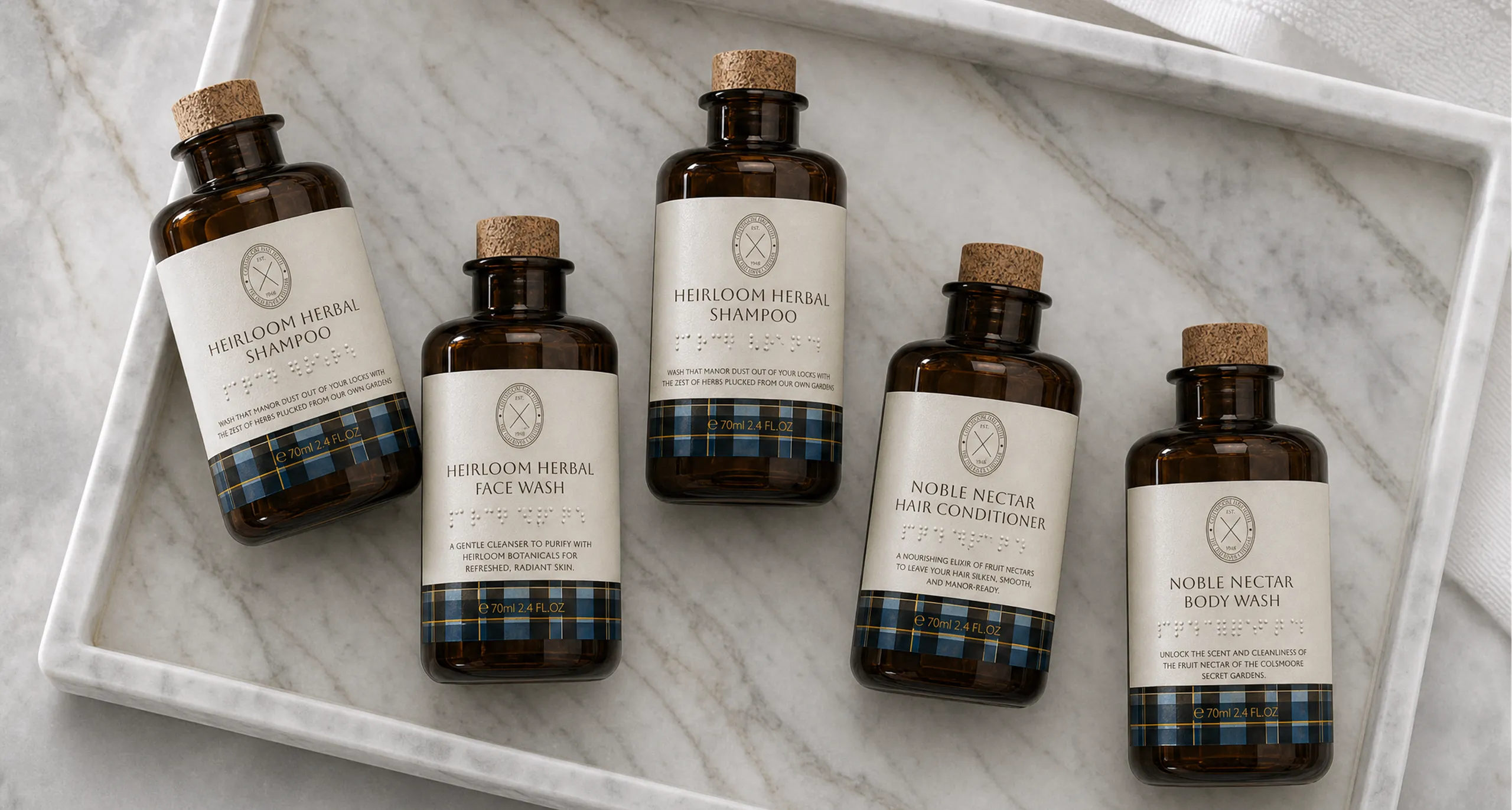
The welcome box has fabric pull tabs and drawers that come out or change with the guest. Keys clip to a wrist strap, carabiner, lanyard or ribbon, with the room number in braille.
Industry
Service type
Methodology
A real conversation about your brand
No pitch and no pressure. We work out what your brand needs and whether we’re the right fit to build it.
Book a discovery call →